Hope Has a Name Jesus Easter Tees: A Stitch Review
Evaluating Typography for Faith-Based Apparel
As an embroidery designer who spends countless hours digitizing and testing files before they ever touch a customer’s garment, I approach every new machine embroidery design with a healthy dose of skepticism. When I first opened the Hope Has a Name Jesus Easter Sunday Tees file, I wasn't just looking for a pretty font; I was looking for structural integrity. This design falls under the category of Print Templates and Graphics, but for those of us in the craft business, the real question is whether this typography translates effectively from screen to stitch.
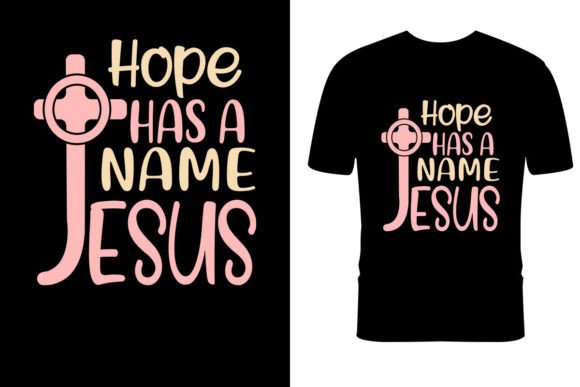
The mood of this design is immediately reverent yet celebratory. It strikes that difficult balance between modern minimalism and traditional faith-based aesthetics that sells so well during the spring season. The layout suggests a centered, block-style arrangement that feels substantial without being overwhelming. For an Etsy seller or boutique owner, this visual personality is crucial. It doesn't scream "generic holiday"; it whispers "intentional faith," which tends to resonate deeply with buyers looking for meaningful custom apparel rather than fast fashion.
Real-World Application: The Sweatshirt Test
To truly evaluate this asset, I mentally placed it into a specific production scenario: creating a premium, unisex crewneck sweatshirt for a church women’s retreat. This is a classic use case for sweatshirt embroidery. Fleece fabrics are notoriously tricky because their texture can swallow fine details. Looking at the letterforms in Hope Has a Name Jesus Easter Sunday Tees, the weight of the strokes appears sufficient to handle the pile of a fleece fabric, provided you use the correct stabilizer.
If I were stitching this out today, I would anticipate using a cutaway stabilizer to prevent the heavy satin columns from pulling the knit fabric. The design seems optimized for a 4x4 or larger hoop size, which is ideal for chest placement on adult apparel. In this context, the design serves as more than just decoration; it becomes a conversation piece. For a handmade product, clarity is king. If the recipient cannot read the message from three feet away, the embroidery has failed its purpose. This template appears to prioritize legibility over ornate flourishes, which is exactly what I look for when selecting design assets for commercial production.
Navigating Fabric Challenges and Hoop Limitations
While the design shows promise for sweatshirts, caution is required for other applications. As a reviewer, I must highlight where Hope Has a Name Jesus Easter Sunday Tees might struggle. If you are planning baby embroidery on onesies or lightweight cotton tees, the density of the lettering could be problematic. Heavy fill stitches on thin fabric often lead to puckering or even tearing. Before committing to a bulk order of baby items, you must test the stitch density. You may need to edit the file to reduce underlay or switch certain elements to a running stitch to maintain the garment's drape.
Similarly, textured fabrics like linen tea towels or waffle-weave kitchen towels require careful consideration. While these make excellent holiday embroidery projects, the intricate corners of serif fonts can get lost in the weave. If you intend to use this for home decor, I recommend testing on a scrap piece of the exact fabric first. Dark fabrics also present a challenge; ensure your thread colors offer high contrast. A white thread on a navy sweatshirt will pop beautifully, but a cream thread on beige might render the message invisible in photos, hurting your printable mockup quality and online sales potential.
Critical Considerations for Small Formats
One area where I advise extreme care is resizing. Typography designs are sensitive to scaling. Shrinking Hope Has a Name Jesus Easter Sunday Tees down for a cap or an embroidered patch can cause the internal spaces of letters (the counters) to close up, resulting in illegible blobs of thread. Caps introduce the additional variable of curvature; flat typography rarely maps perfectly to a curved brim without distortion. Unless the file specifically includes a cap-friendly version, stick to flat surfaces like tote bags, aprons, or pillow covers where the design can lay flush against the stabilizer.
Commercial Viability and Customer Trust
For the small shop product creator, this design represents a strong opportunity for seasonal revenue, but only if executed professionally. Customers associate clean stitching with spiritual integrity in this niche. Sloppy registration or thread breaks caused by poor digitizing can undermine the message of hope. Using a high-quality digital embroidery file like this one helps establish brand consistency. When your finished product looks crisp and professional, it builds buyer engagement and trust, encouraging repeat purchases for future holidays.
Furthermore, consider the versatility of this graphic. Because it is text-based, it pairs exceptionally well with other elements. You could easily frame this design with floral applique or simple vine borders to create a unique variation for your shop. This adaptability makes it a valuable addition to your library of Print Templates. However, always verify the licensing terms included with the file. Confirm whether you have rights for physical products, digital previews, or both before listing any personalized gift items derived from this artwork.
Designer Notes for Optimal Results
Before you load this design into your machine, run through this practical checklist to ensure success:
- Test Stitch First: Never run this design directly on a final product without a test sew-out. Check for registration issues between color changes.
- Verify File Specs: Since specific stitch counts and formats vary, check the product details to ensure compatibility with your machine and hoop.
- Stabilizer Selection: Match your stabilizer to the fabric weight. Use tear-away for stable woven fabrics and cutaway for knits and stretchy materials.
- Mockup Testing: Create black and white mockups to test readability. If the design fails in grayscale, adjust your thread palette for better contrast.
- Wash Testing: If selling tote bag design items or tea towels that will be laundered frequently, wash your test sample to ensure the stitches hold up to agitation.
- Font Pairing: If adding names or dates for customization, choose a complementary font that matches the weight and style of the main design to maintain visual harmony.
Final Thoughts on Production Value
Hope Has a Name Jesus Easter Sunday Tees offers a solid foundation for faith-based commercial embroidery. Its strength lies in its clear communication and balanced composition, making it suitable for a wide range of apparel decorators and makers. By respecting the technical limitations of embroidery and adapting your materials accordingly, you can transform this digital template into a tangible expression of faith that customers will cherish. Remember, in our industry, the difference between a good design and a great product is almost always found in the preparation and testing phase. Treat this file with the same respect you give your finished goods, and it will serve your business well throughout the Easter season and beyond.